THE SHORT ANSWER
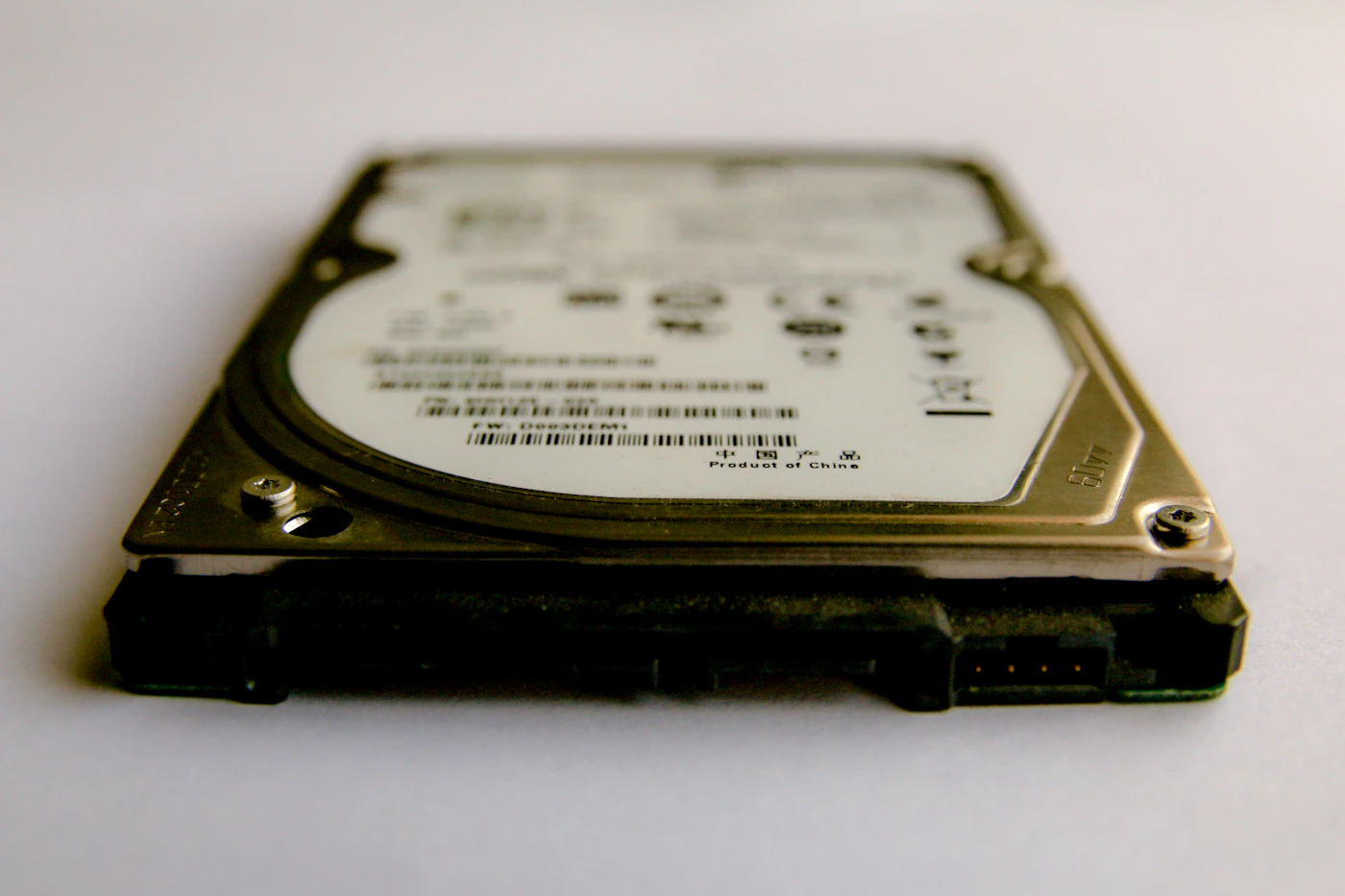
E-waste commonly means unwanted electronic equipment. In California, hazardous discarded electronics may be managed as universal waste. Equipment type, hazardous characteristics, reuse status, and separate battery or display rules can affect the correct route.
Common items to evaluate
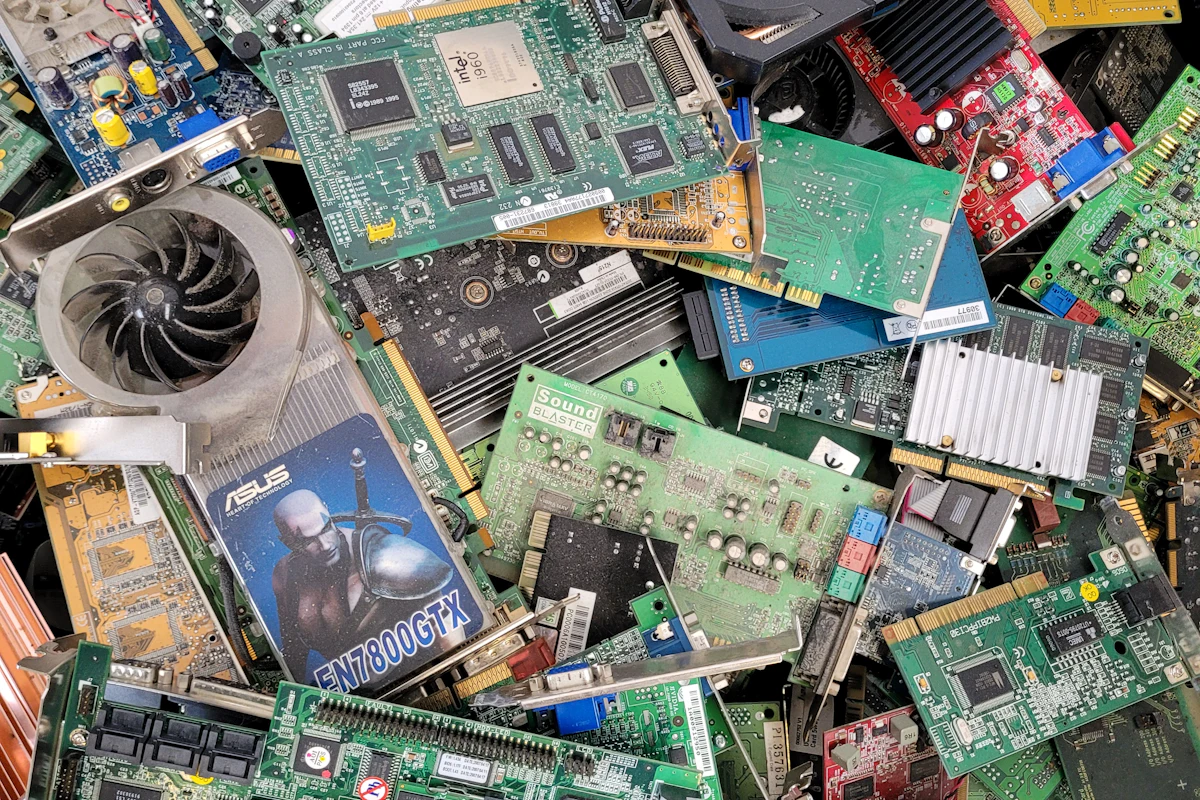
DTSC lists computers, displays, printers, phones, and other devices as typical e-waste examples. This table helps sort a collection; it does not classify every model.
| Category | Examples | Main consideration |
|---|---|---|
| Computing | Desktops, laptops, tablets | Data storage, batteries, and condition. |
| Displays | Monitors and televisions | Display technology and intact handling. |
| Infrastructure | Servers, switches, routers | Embedded data and removable media. |
| Office equipment | Printers, scanners, copiers | Internal storage, toner, and acceptance rules. |
| Accessories | Keyboards, mice, cables | Reuse potential and material-specific acceptance. |
| Battery-powered devices | Phones, tools, small electronics | Battery chemistry and safe collection. |
Source: DTSC: Electronic Hazardous Waste
Three terms that are easy to confuse
Electronic waste describes the equipment stream. Universal waste is a hazardous waste management category with specific rules. Covered electronic waste refers to California’s fee-funded recycling program. These terms overlap, but are not interchangeable. Check the device and the relevant program before assuming a pickup will be accepted or free.
Source: DTSC: Covered Electronic Devices
Batteries deserve their own plan
Do not place lithium-ion batteries or devices containing them in household trash or curbside recycling. Ask the collector for packaging instructions, particularly for damaged, swollen, or recalled batteries. Do not pry open a device to remove a battery if doing so is unsafe. Confirm that the receiving program accepts your specific condition and chemistry.
The 2026 battery-embedded product category
CalRecycle’s expanded program covers certain products with batteries not designed for easy user removal using ordinary household tools. Exclusions include certain medical devices, energy storage systems, and other listed products. This program category does not make all batteries or all battery-powered equipment equivalent.
Source: CalRecycle: SB 1215 Covered Battery-Embedded Products
When you are unsure
Record the manufacturer, model, condition, and whether there is a battery or storage device. Send that information to the receiving program before transport. Keep unknown equipment out of a mixed general waste load while you confirm an appropriate route. For regulatory classification questions, use DTSC’s guidance and seek assistance rather than guessing.
Sources & references
- DTSC: Electronic Hazardous Waste Agency overview
- DTSC: Universal Waste and How to Handle It Agency guidance
- DTSC: Covered Electronic Devices Agency overview
- CalRecycle: SB 1215 Covered Battery-Embedded Products Agency guidance
- EPA: Electronics Donation and Recycling Agency guidance
Prepared with AI assistance; editorial responsibility rests with the operator. Review dates reflect the sources checked, not a legal audit. Read our editorial standards.
General educational information, not legal advice. Consult the original authority and check current requirements for your situation.