THE SHORT ANSWER
Retire office electronics through a documented process: assess reuse, identify data, choose an appropriate receiving provider, prepare a safe collection, and retain evidence of what happened. Review waste obligations and data obligations separately.

Assign one person to own the retirement
Start with an accountable coordinator and a disposal approval. Ask IT, facilities, finance, and the information owner what must happen before equipment leaves. Check whether assets are leased, subject to a legal hold, or still contain records that must be retained. Those questions can change the disposal schedule.
Build an inventory that fits the risk
A box of cables does not need the same control as a server containing customer records. As a recommended practice, group low-risk accessories by category and use asset tags or serial numbers for data-bearing equipment. Record location, condition, data status, intended route, and the person approving release. Keep an exception list for anything missing or damaged.
Choose a route for each category
| Equipment | Questions before release |
|---|---|
| Computers and laptops | Can they be redeployed? Is storage sanitized and verified? |
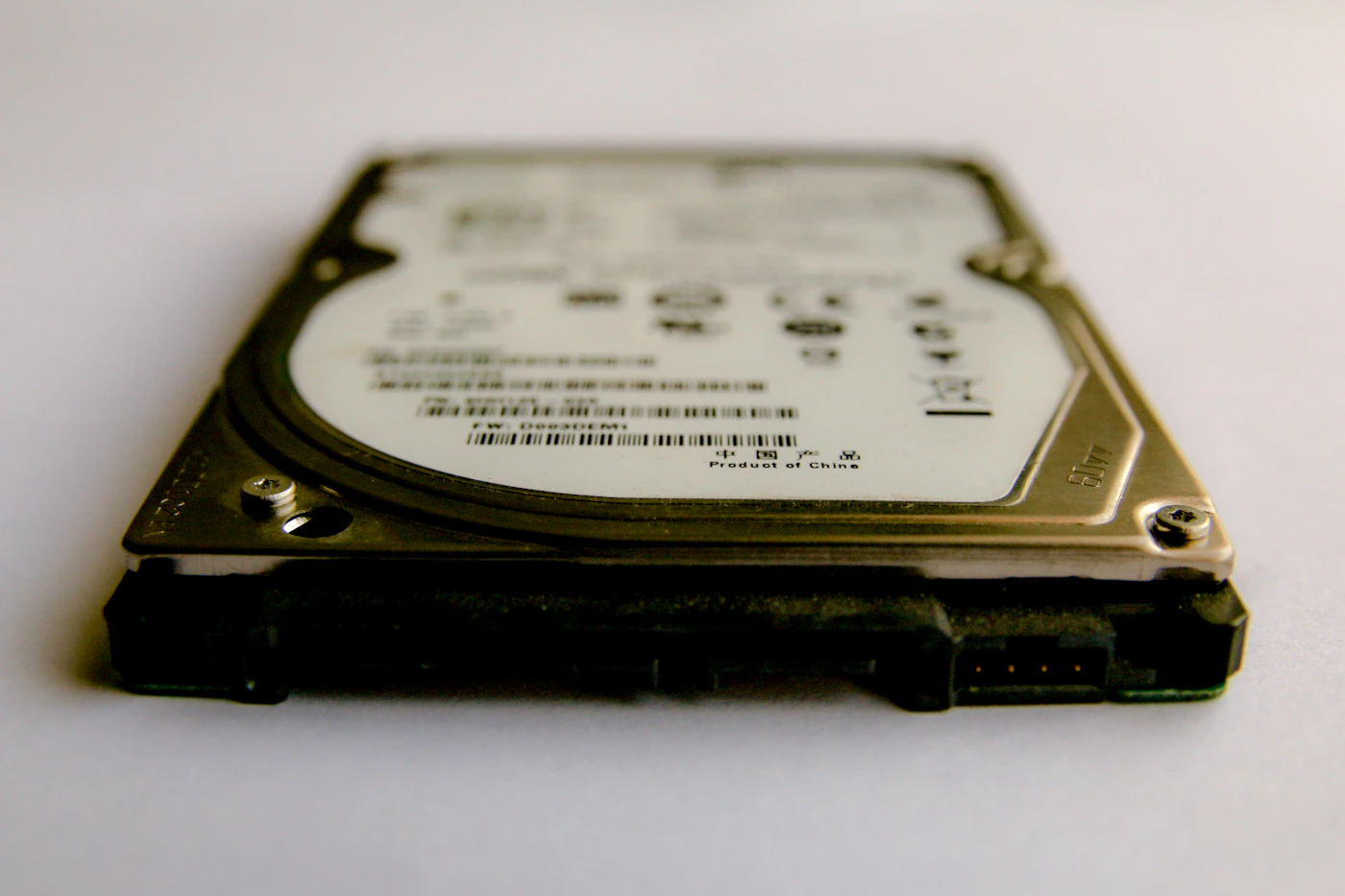
| Servers and storage arrays | Have every drive, removable module, and management credential been addressed? |
| Monitors and TVs | Is the display intact, and does the recipient accept this type? |
| Networking equipment | Does it store configurations, credentials, logs, or removable media? |
| Printers and copiers | Does this model have internal storage? Are leased devices subject to return terms? |
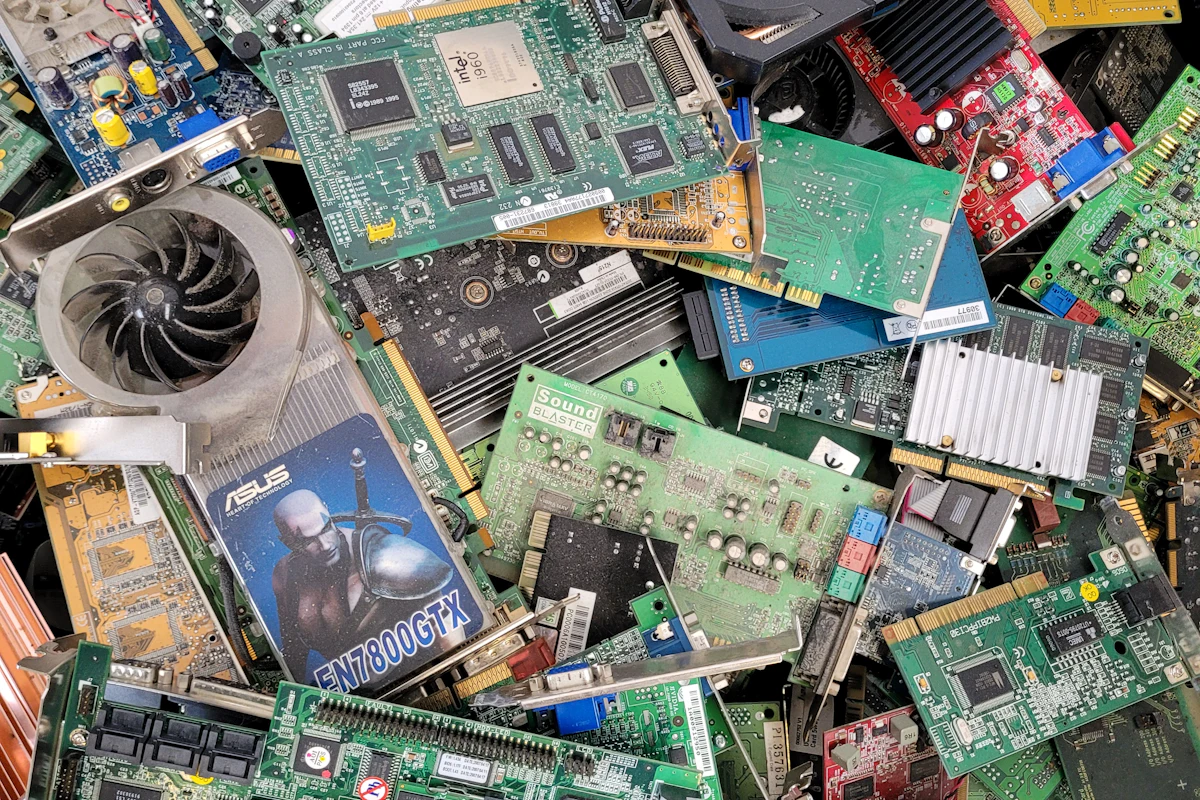
| Cables and peripherals | Can they be reused? Does the provider accept these materials? |
Separate reuse from waste treatment
Document why equipment selected for reuse is usable and where it will go. Do not use a donation label to avoid evaluating broken or unusable equipment. For discarded material, confirm the waste classification and the recipient’s appropriate role before shipping. Taking waste from other organizations may change your own regulatory obligations.
Select a provider with evidence
Ask for the receiving location, accepted materials, downstream process, data services, and sample documentation. EPA recommends certified electronics recyclers and identifies R2 and e-Stewards as certification programs. Verify the specific facility, current certificate, and scope. A registration number and an independent certification are different evidence; neither should be assumed from a logo.
Close the job, not just the loading dock
Reconcile the final collection against the inventory. Explain differences, obtain agreed reports, and confirm any failed sanitization has a documented resolution. Keep environmental shipment records and media sanitization evidence linked to the same job reference. A generic recycling certificate alone may not establish that every drive was sanitized.
Sources & references
- DTSC: Universal Waste and How to Handle It Agency guidance
- DTSC: Requirements for E-Waste Handlers Agency guidance
- EPA: Certified Electronics Recyclers Agency guidance
- NIST SP 800-88 Revision 2: Guidelines for Media Sanitization Technical guidance
Prepared with AI assistance; editorial responsibility rests with the operator. Review dates reflect the sources checked, not a legal audit. Read our editorial standards.
General educational information, not legal advice. Consult the original authority and check current requirements for your situation.