THE SHORT ANSWER
Use a media sanitization method matched to the device, information sensitivity, and intended reuse. Deleting files or accepting a generic recycling receipt is not evidence of sanitization. Document the method, result, and any failures before releasing data-bearing equipment.
Start with the current NIST guidance
NIST SP 800-88 Revision 2, published in September 2025, supersedes Revision 1. It emphasizes an organizational sanitization program, including assurance and appropriate controls. Its clear, purge, and destroy framework helps structure decisions; it is technical guidance, not a blanket California law requiring every business to destroy every drive.
Source: NIST SP 800-88 Revision 2: Guidelines for Media Sanitization
Clear, purge, and destroy
The correct technique depends on media technology and an accepted technical standard. NIST’s Revision 2 FAQ points to standards such as IEEE 2883 for media-specific techniques. Do not turn this overview into a universal command sequence.
| Approach | Decision to make |
|---|---|
| Clear | Is protection against ordinary recovery appropriate for the planned disposition? |
| Purge | Is stronger assurance needed while retaining a usable device? |
| Destroy | Must the media be rendered unusable, or can it no longer be reliably sanitized? |
HDDs and SSDs need different evaluation
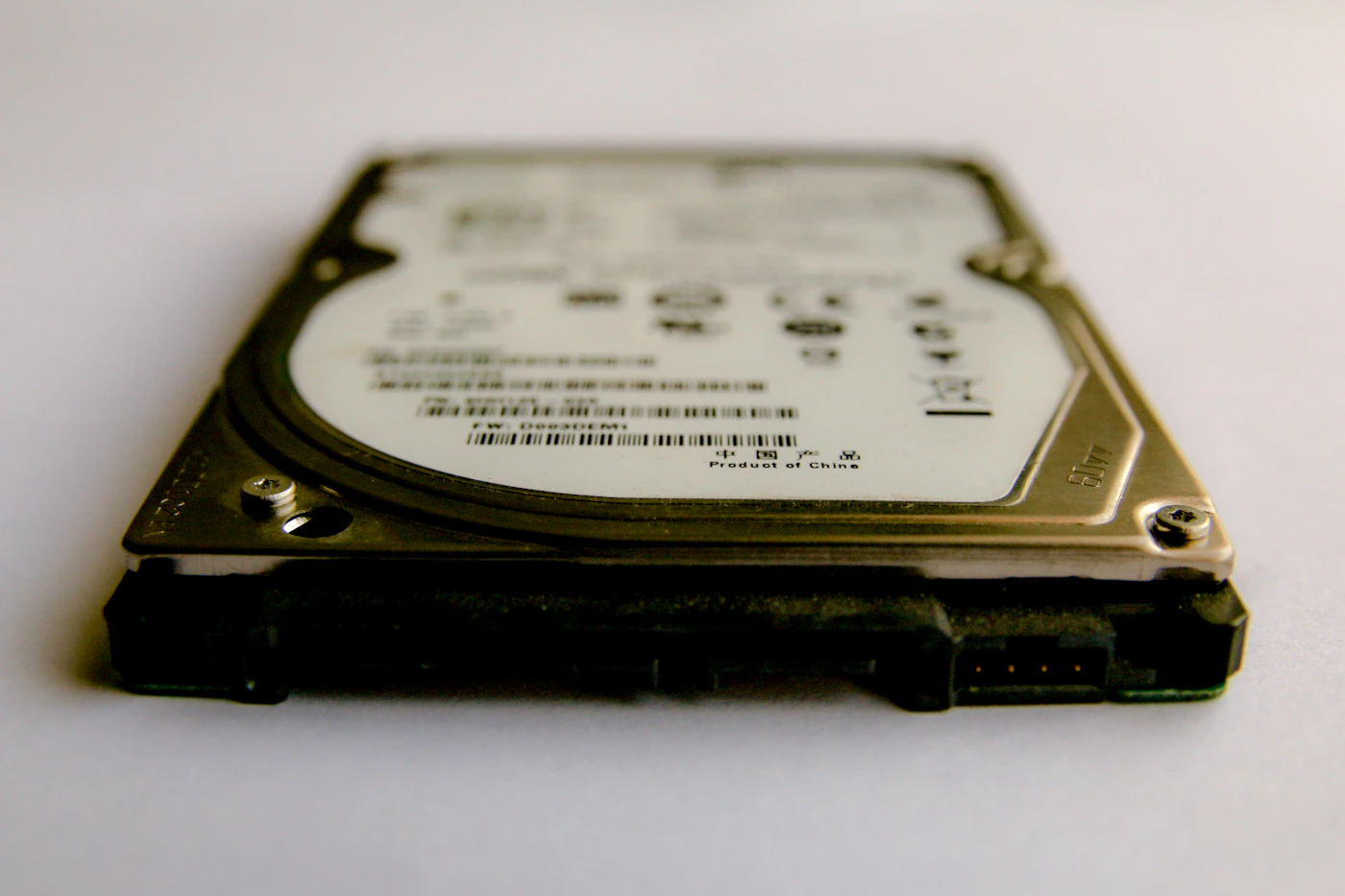
A method intended for magnetic media may not address flash storage appropriately. Ask your IT team or provider to identify the exact media and explain how the selected process reaches the relevant storage areas. Do not assume a repeated overwrite, a factory reset, or a hole through a drive establishes an adequate result for every device.
Physical destruction is a controlled process
Define which components must be destroyed, how the outcome will be checked, and how fragments will be handled. For an SSD, the storage chips matter. For a server, the chassis is not the only asset to track. On-site witnessing can improve custody visibility, but does not replace an appropriate method or a complete inventory.
Legal requirement — check applicability
Privacy obligations are a separate assessment
California Civil Code § 1798.81 addresses reasonable disposal of customer records containing personal information when those records are no longer retained. The Attorney General’s historical business handbook also discusses making data on discarded devices unreadable. Sector-specific laws, contracts, and retention duties can add requirements. Review the current statute and obtain advice for your situation.
Source: California Civil Code § 1798.81: Disposal of customer records
Recommended practice
What evidence should you ask for?
Agree these details before collection. A certificate is an evidence summary; it should not replace the underlying procedure and exception records.
- A device or media identifier linked to the original inventory.
- The method, technique or tool, and date used.
- The operator or responsible organization and the reported result.
- How results were verified and accepted.
- A documented exception route for failed or missing media.
- Custody records covering collection, transport, and any subcontractor.
Sources & references
- NIST SP 800-88 Revision 2: Guidelines for Media Sanitization Technical guidance
- NIST: Revision 2 Frequently Asked Questions (PDF) Technical guidance
- California Civil Code § 1798.81: Disposal of customer records Statute
- California Attorney General: Business Privacy Handbook (historical PDF) Historical agency guidance
Prepared with AI assistance; editorial responsibility rests with the operator. Review dates reflect the sources checked, not a legal audit. Read our editorial standards.
General educational information, not legal advice. Consult the original authority and check current requirements for your situation.